
Legislation is key to protecting our fundamental right to choose directed donations.
Medical Freedom exists, though it often it must be fought for.
Denying the right to choose directed donations violates core constitutional protections — including the 14th Amendment (Section 1) and the Patient Self-Determination Act of 1990.
Idaho House Bill 528 has officially been signed into law by Governor Little…. | Idaho House Bill 528 has officially been signed into law by Governor Little….
Find Your State
This map reflects the status of BBHB’s legislative efforts in each State. Laws can change quickly. For the most current status, check official state legislature websites (e.g., legiscan.com or state.gov sites) or consult a healthcare attorney.
This map does not reflect activity for membership in any way.
Priority States
BBHB is actively preparing for the 2027 legislative session in this priority state. The information below summarizes the state's most recent legislation, its legislative history and outcome, and the foundation being developed for the next legislative effort. Bill numbers and hearing information shown below refer to the most recent legislative session unless otherwise noted.
Most Recent Bill
SB 125 — 2025 Regular Session
House companion: HB 5090
SB 125 was authored by Sens. Bob Hall and Angela Paxton, with Sens. Bryan Hughes and Kevin Sparks later joining as coauthors. Rep. Joanne Shofner sponsored the Senate bill in the House.
Legislative Summary
SB 125 created a physician-order framework for autologous and directed blood donation. The final 2025 version required blood banks to comply with a physician's order, permitted reasonable administrative fees, and required hospitals that facilitate blood donations to allow physician-ordered autologous or directed donation.
Final Status
Did not pass before the end of the 2025 session. SB 125 passed the Texas Senate 28–3 and was reported favorably from House Public Health 8–2. It reached the House General State Calendar on May 27, 2025 — the final day for second-reading Senate bills — but did not receive final House floor action.
Session & Key Dates
2027 Texas Legislature
Prefiling begins: November 9, 2026
90th Regular Session begins: January 12, 2027
Expected 60-day filing deadline: March 12, 2027
Regular Session ends: May 31, 2027
Hearings & Legislative History
Senate Health & Human Services hearing: March 12, 2025
Senate passage: April 2, 2025 — 28–3
House Public Health hearing: May 22, 2025
House Public Health favorable vote: May 23, 2025 — 8–2
House General State Calendar: May 27, 2025
No final House vote before the deadline
Texas also had a similar legislative effort in 2023 — SB 1584, which followed a remarkably similar path: strong Senate passage and House committee support before failing to receive final House floor action.
2027 Campaign Status
2027 bill number: TBD — no 90th Legislature bill has yet been filed. BBHB intends to use the final 2025 SB 125 framework as the starting point. The immediate priorities are confirming 2027 sponsors, finalizing language before prefiling, preparing medical and patient witnesses, addressing stakeholder concerns before hearings, and beginning the House/Calendars strategy much earlier so the 2025 timing problem is not repeated.
BBHB is actively preparing for the 2027 legislative session in this priority state. The information below summarizes the state's most recent legislation, its legislative history and outcome, and the foundation being developed for the next legislative effort. Bill numbers and hearing information shown below refer to the most recent legislative session unless otherwise noted.
Most Recent Bill
HB 3833 — Rep. Stan May
SB 1661 — Sen. Shane Jett
2026 Regular Session
Oklahoma had separate House and Senate vehicles addressing the same general policy objective.
Legislative Summary
HB 3833 created the Oklahoma Autologous and Directed Blood Donation Act. It required a physician's written order, tied use to a scheduled medical procedure, preserved donor eligibility and safety requirements, addressed labeling/storage/tracking, allowed administrative fees, provided facility protections when blood was unavailable for legitimate reasons, and directed the Oklahoma State Department of Health to develop implementing rules.
SB 1661 used a simpler framework requiring blood-service systems to comply with physician orders for autologous/direct donation, allowing reasonable administrative fees, and requiring participating hospitals to allow physician-ordered donations.
Final Status
Neither 2026 bill received a recorded committee vote. HB 3833 was referred through House HHS Oversight to Public Health but received no committee recommendation or vote. SB 1661 was referred to Senate Health & Human Services but likewise received no committee recommendation or vote.
Session & Key Dates
2027 Oklahoma Legislature
House bill request deadline: December 4, 2026
Organizational Day: January 5, 2027
House bill introduction deadline: January 14, 2027 at 4:00 PM
Session begins: February 1, 2027 at noon
House-of-origin third-reading deadline: March 25, 2027
Opposite-house third-reading deadline: May 6, 2027
Sine die: May 28, 2027 by 5:00 PM
Hearings & Legislative History
HB 3833
First read: February 2, 2026
HHS Oversight referral: February 3
Subsequently referred to House Public Health
No recorded hearing recommendation or committee vote
SB 1661
First read: February 2, 2026
Referred to Senate HHS: February 3
No recorded committee recommendation or vote
The central unanswered question is why neither bill obtained committee consideration.
2027 Campaign Status
2027 bill number: TBD. The first decision is whether Rep. May and Sen. Jett want to refile HB 3833, SB 1661, or develop one harmonized 2027 bill. BBHB is also working to understand the 2026 committee barriers, recruit Oklahoma medical and patient witnesses, develop grassroots partners, and engage blood-bank, hospital and medical stakeholders before the next hearing.
BBHB is actively preparing for the 2027 legislative session in this priority state. The information below summarizes the state's most recent legislation, its legislative history and outcome, and the foundation being developed for the next legislative effort. Bill numbers and hearing information shown below refer to the most recent legislative session unless otherwise noted.
Most Recent Bill
SF 2049 — Sen. Dennis Guth
HF 2084 — Rep. Charley Stone
2026 Session
These were companion bills building upon Iowa's earlier 2024 legislative effort.
Legislative Summary
The Iowa proposals sought to establish access to physician-ordered autologous and directed blood donation while preserving applicable blood-safety requirements and legitimate medical or technical safeguards. The 2026 House and Senate bills represented a further development of legislation that had previously advanced substantially in 2024.
Final Status
Neither SF 2049 nor HF 2084 cleared Iowa's first legislative funnel in 2026. The Senate bill did not advance to a subcommittee vote before the funnel deadline, and the House companion likewise did not develop a viable House subcommittee path.
Session & Key Dates
2027 Iowa Legislature
92nd General Assembly begins in January 2027
BBHB internal target: sponsors, working draft, coalition, witness bench and HHS strategy ready before January 11
Target originating subcommittee hearing/path: by mid-February
First funnel: March 5, 2027
Second funnel: April 2, 2027
Hearings & Legislative History
Iowa has one of the deeper legislative histories among our priority states.
2024
SF 2139 introduced: January 30, 2024
Senate HHS subcommittee recommended amendment and passage: February 5
Renumbered as SF 2369
Senate passed SF 2369: February 21 — 30–16
Sent to House HHS
House HHS subcommittee recommended indefinite postponement: February 27 — 3–0
2026
Sen. Dennis Guth introduced SF 2049
Rep. Charley Stone introduced companion HF 2084
Neither cleared the first funnel
The 2024 House subcommittee remains the clearest historical failure point.
2027 Campaign Status
2027 bill number: TBD. BBHB's objective is to return with active House and Senate champions, a defined HHS pathway, Iowa medical support, independent transfusion-medicine/patient-blood-management expertise, patient testimony where available, and stronger grassroots support through Informed Choice Iowa and additional partners.
BBHB is actively preparing for the 2027 legislative session in this priority state. The information below summarizes the state's most recent legislation, its legislative history and outcome, and the foundation being developed for the next legislative effort. Bill numbers and hearing information shown below refer to the most recent legislative session unless otherwise noted.
Most Recent Bill
HB 2247 — Blood Donations; Patient Notification
Sponsored by Rep. Lisa Fink with Reps. Leo Biasiucci, Ralph Heap, Tony Rivero and Michael Way and Sen. David Farnsworth as additional sponsors/cosponsors.
Legislative Summary
HB 2247 required physicians to notify surgical patients about the option of donating blood for themselves or using a compatible family member/friend as a directed donor. If the patient chose that option, the physician would contact a blood bank and complete the necessary paperwork. The bill was primarily a notification/facilitation proposal, rather than the broader hospital/blood-bank access model used in some other states.
Final Status
Died in committee without a hearing or vote. HB 2247 was introduced January 15, 2026, referred to House Health & Human Services and Rules, received its second reading January 20, and did not receive a recorded House HHS hearing or vote.
Session & Key Dates
2027 Arizona Legislature
58th Legislature
Final 2027 filing, committee and hearing dates will be updated when the Legislature's official organizational/calendar information is finalized. BBHB's pre-session work is scheduled for fall 2026, with sponsor strategy, medical review, stakeholder engagement and coalition building occurring before filing.
Hearings & Legislative History
HB 2247 introduced: January 15, 2026
Referred to House Health & Human Services and Rules
Second reading: January 20, 2026
No House HHS hearing
No committee vote
Bill died in committee
Because there was no adverse committee vote, the key 2027 question is why a bill with six legislative sponsors/cosponsors never received a hearing.
2027 Campaign Status
2027 bill number: TBD. BBHB is conducting a postmortem with the existing legislative team before deciding whether to refile HB 2247's narrower notification model, strengthen it, or replace it with a broader physician-ordered access model. The plan also includes medical review, stakeholder outreach, coalition development and early identification of the 2027 HHS pathway.
BBHB is actively preparing for the 2027 legislative session in this priority state. The information below summarizes the state's most recent legislation, its legislative history and outcome, and the foundation being developed for the next legislative effort. Bill numbers and hearing information shown below refer to the most recent legislative session unless otherwise noted.
Most Recent Bill
HB 2166 — Rep. Jody Barrett
SB 1947 — Sen. Janice Bowling
2026 Session
Additional legislative supporters included Sen. Mark Pody and Reps. Michele Reneau and Monty Fritts.
Legislative Summary
The Tennessee legislation addressed patient access to autologous and directed blood donation within a physician-supervised framework. Tennessee is particularly interesting because state law already recognizes a patient's ability to designate blood donors. BBHB's 2027 work is therefore focused in part on whether there is a practical implementation gap between the existing statutory policy and actual patient access.
Final Status
SB 1947 passed the Tennessee Senate 25–6. HB 2166 was deferred three times in the House Health Subcommittee and ultimately failed there on March 18, 2026 by a vote of 1–4, with two members present and not voting. The legislation therefore did not become law.
Session & Key Dates
2027 Tennessee Legislature
115th General Assembly
Final committee/hearing calendar information will be updated when officially established. BBHB's pre-session plan calls for completing the 2026 legislative postmortem, medical review, stakeholder engagement and witness recruitment before finalizing the 2027 bill language.
Hearings & Legislative History
2026
Senate Health & Welfare consideration: February 18
Senate passage: February 26 — 25–6
House Health Subcommittee consideration/deferment: February 18
Deferred again: March 4
Deferred again: March 11
Final House Health Subcommittee vote: March 18 — failed 1–4, two present/not voting
The repeated House deferrals and final subcommittee vote make the House pathway the principal focus of the 2027 campaign.
2027 Campaign Status
2027 bill number: TBD. Tennessee is a repair-and-finish state, not a campaign starting from zero. The Senate has already demonstrated strong support. BBHB is now working to understand the House failure, verify how Tennessee's existing designated-donor law operates in practice, recruit independent medical expertise, engage hospital and blood-supplier stakeholders, strengthen the Tennessee Stands partnership, and build the House vote strategy before refiling.
Leadership
Definitions
Directed Donor means that a blood donor is a known donor for the recipient (generally, but not always, a friend or relative).
Autologous donation means donating one’s own blood in advance of an upcoming surgery or procedure where loss of blood is likely.
Stats
Approximately 1 in 70 people need a blood transfusion each year..
An estimated 3% of people donate blood.
More than 35% of states across our nation have begun engaging in medical freedom dialogue.
The United States supplies
more than 70% of the world’s blood products.
Myths vs. Realty
- Myth: Everyone might want directed donor blood
Reality: ALL blood transfusions (directed and anonymous) require a doctor’s written order, and this should be a decision made jointly by the patient and their doctor, not a corporate entity. - Myth: Direct donor blood increases risk of liability
Reality: There is NO increase in liability by using directed donor blood. Any patient who receives a transfusion has to sign an “inherent risk waiver” that is a completely separate form from any other hospital form. This form states that receiving a transfusion has inherent risks associated with it, and releases liability (provided that the blood is handled according to FDA guidelines). - Myth: Direct donor blood increases risk of liability
Reality: Tennessee has already enacted a bill in their state without disrupting the medical process or causing any legal issues within their medical community. It’s business as usual. - Myth: Direct donor blood is harder to track and trace
Reality: Direct donor blood, like ALL blood is barcoded, thus making it just as easy to track and trace as anonymous donor blood. - Myth: Direct donations take away from blood that could be used for someone else
Reality: Direct donors ADD to the pool of blood availability. They are typically not regular blood donors and are donating because they have an emotional or community connection with the person they are donating to. They are typically ADDING to the already precious blood supply, freeing up the anonymous blood supply for someone else! - Myth: Direct donor blood isn’t as safe as anonymous donor blood
Reality: Direct donor blood and anonymous donor blood are both tested for exactly the same things. There is no difference in safety. In fact, statistically, plasma centers (in which people are paid to donate) are often located in lower socioeconomic areas which
Facts
Both autologous and directed donor blood are legal, safe, and have a decade’s long history of prior use.
Directed donor blood has been a common practice for decades. During the 1980’s and 1990’s, it was a standard of practice in major surgeries to ask patients if they wanted to use directed donor blood.
Directed donor blood is generally very fresh, whereas stored for general population blood can be up to 50 days old.
The blood industry is a lucrative multibillion dollar industry
All blood is not equal in terms of quality. For example, the blood of a healthy 20 year old athlete who eats in a healthy manner would be superior to a 50 year old blood donor who eats a standard American diet and is on 4 medications.
As blood ages in a bag, there is an increasing risk of death, blood clots, multi-organ dysfunction, increased hospital stay time, decreased oxygen carrying capability and more when aged blood is transfused.
Blood to the pharmaceutical industry (there are many products made from human blood components) and to research organizations.
As per American Red Cross guidelines, a limited number (12) of pathogens are screened for. There are far more than 12 pathogens that can be transmitted by blood.
Some of these that are NOT routinely screened for include: Epstein-Barr Virus, Herpes Viruses, SARS Cov-2, E. coli, Staph aureus, and parasites for example. This is an additional advantage to knowing your donor.
Join our Advocacy Network
*there is plenty of content on the google form to pull for the description. You can use it all or pull a few sentences that works best
Articles & Featured Stories
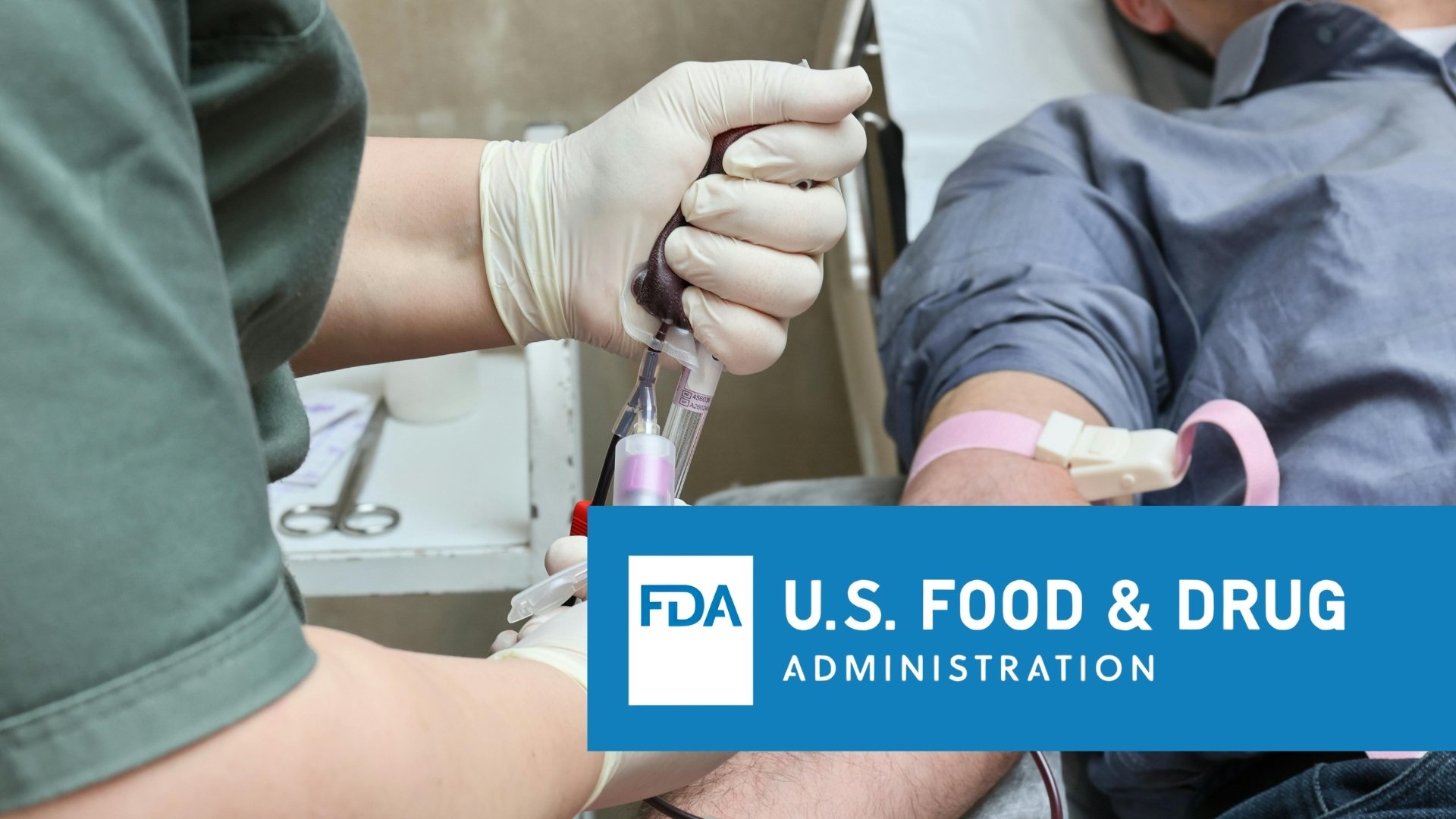
FDA — Autologous Blood Donation Guidance
This guidance addresses the regulatory requirements for determining donor eligibility that apply to establishments that collect blood and blood components (blood establishments) intended solely for autologous use.
VIEW NOW

American Red Cross — Autologous and Directed Donations
A directed donation occurs when a patient’s ABO and Rh compatible family members and/or friends donate blood for his or her upcoming procedure. A patient must have his/her physician submit a Red Cross Special Collections Order form for the Red Cross to collect blood from the selected donors.
VIEW NOW

PubMed — Directed Donation: Special Considerations and Review for Contemporary Clinical Practices
Directed blood donation is defined as the donation of blood or its components for the purpose of transfusion into a specified individual. Directed blood donation holds historic significance, and although practices as of 2021 encourage voluntary, nonrenumerated blood donations, public interest in directed donation remains
VIEW NOW
Support our Misison
Your contributions directly fuel our mission to protect
medical freedom for all Americans.
Sources:
https://www.ncbi.nlm.nih.gov/books/NBK138223/
https://law.justia.com/codes/tennessee/title-68/health/chapter-32/section-68-32-103/
Book: Blood Money, The story of Life, Death, and Profit inside America’s Blood Industry by
Kathleen McLaughlin
Book: Blood by Douglas Starr